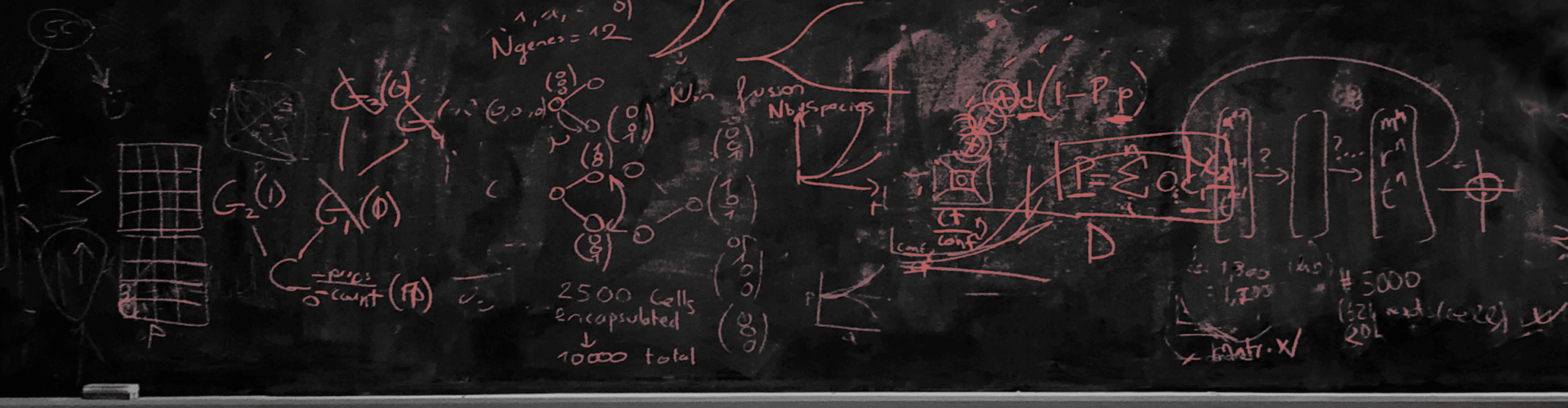
Click the image below to view the animated version of this
cover.
Created by: Nicolò Cogno, Ibrahim Chamseddine
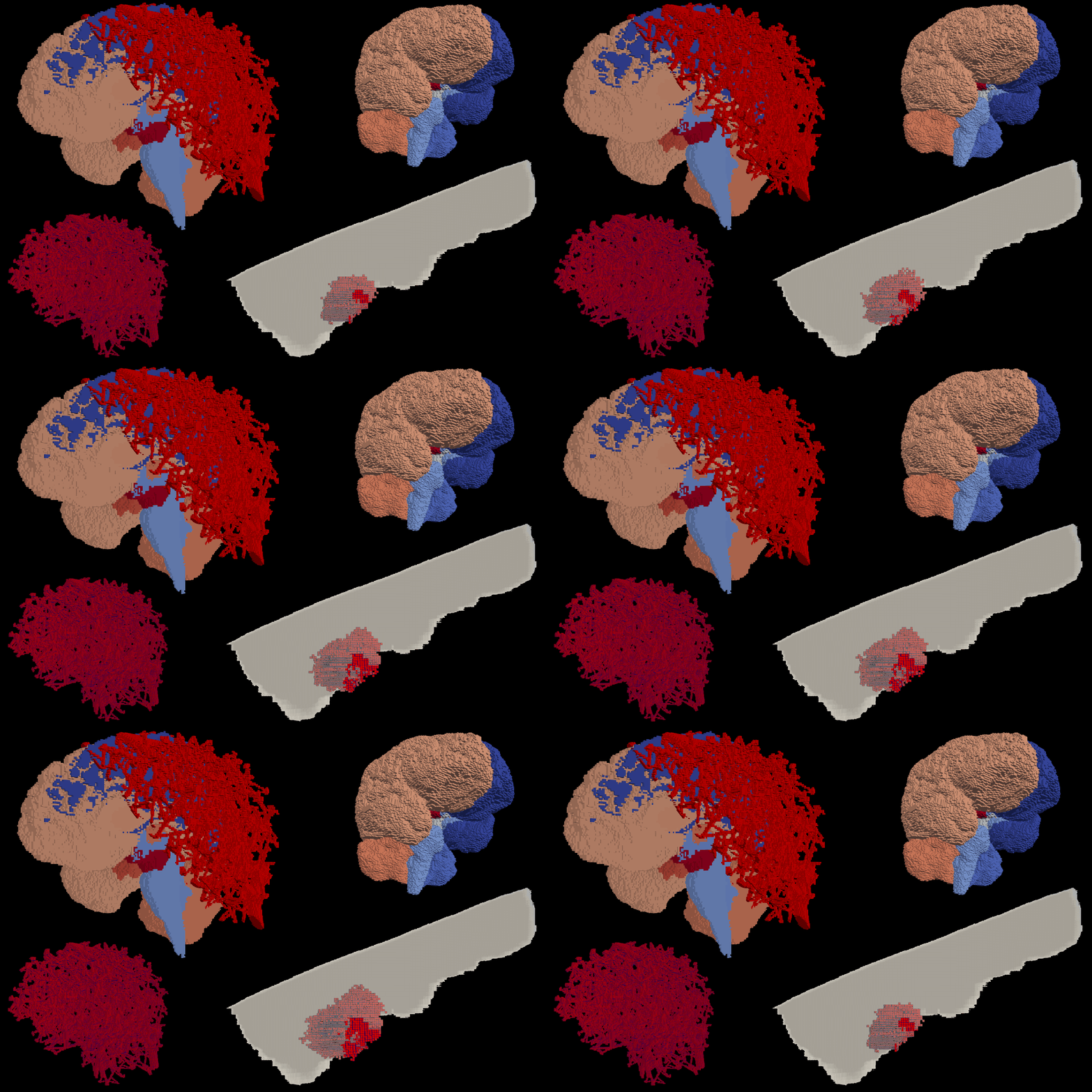
Issue 360: Radiotherapy is one of the most widely used cancer treatments, combining strong effectiveness with limited invasiveness. Thanks to decades of technological progress, treatments have become increasingly precise. Still, a small but meaningful number of patients develop long-term side effects. For people treated for brain or nasopharyngeal cancers, one of the most serious is brain necrosis, a form of tissue damage that can significantly affect cognitive function. Why does this happen to some patients but notothers who receive similar treatments? In our work, we use mathematical and computational models to explore this question. By simulating how necrosis can develop and spread in the brain under different conditions, we aim to better understand the sources of variability in patient response. Our model incorporates patient-specific features such as brain anatomy and vascular structure and uses them to generate realistic simulations of lesion growth over time. The images show these inputs alongside a simulatedexample of a progressing necrotic lesion. By helping explain why toxicity risk differs across patients, this modeling framework may ultimately support more personalized treatment strategies and contribute to reducing the incidence of radiation-induced brain injury.