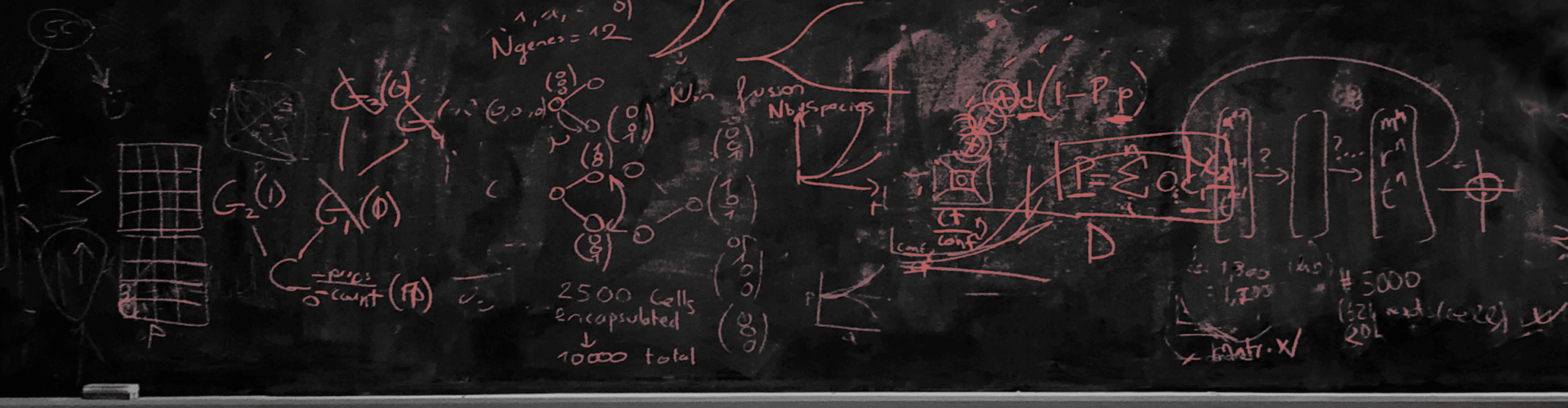
Click the image below to view the full size version of this
cover.
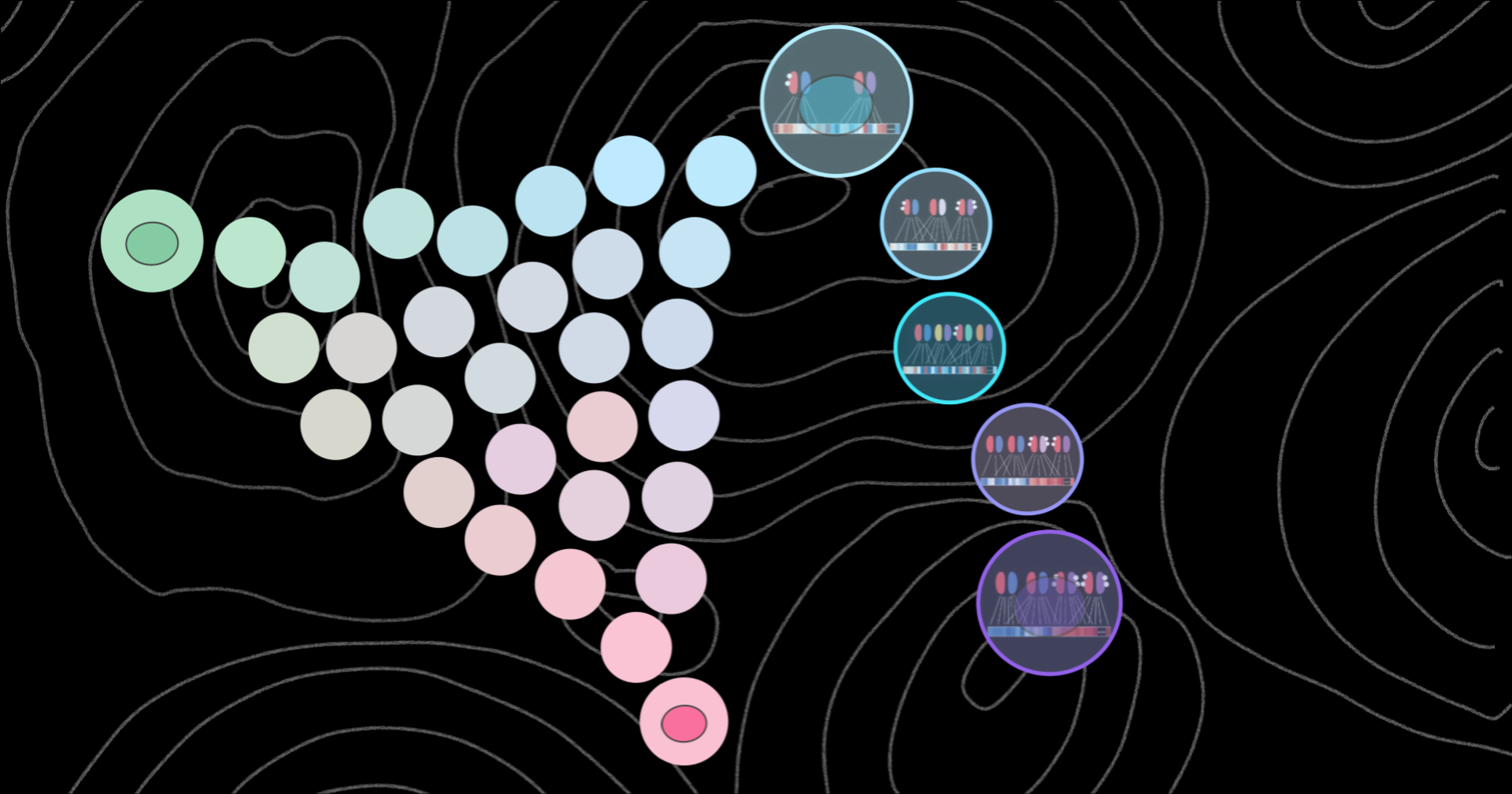
Created by: Gustavo França, Itai Yanai
Issue 377: Cancer cells have a remarkable capacity to survive therapeutic pressure by reprogramming themselves in response to environments that would otherwise be lethal. This study investigates the molecular principles underlying such adaptive behavior. The authors propose that cells learn how to adapt to a stressful environment through a process analogous to an evolutionary search strategy, dynamically testing distinct regulatory states and reinforcing those that alleviate cellular stress. Central to this model is the AP-1 transcription factor network, which is suggested to function as a molecular system capable of encoding and stabilizing adaptive, drug-tolerant cellular states.
© 2026 - The Mathematical Oncology Blog